Herman Melville
Free Redburn by Herman Melville — PDF EPUB Download
Free Redburn PDF: Melville's First Voyage to Liverpool
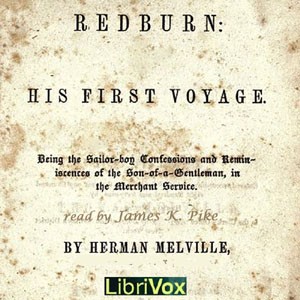
If you are looking for a free Redburn pdf, you have found one of Herman Melville's most personal and readable novels. Published in 1849, Redburn was Melville's fourth book, and it grew directly out of his own life: in the summer of 1839, at the age of nineteen, he shipped out of New York as a common sailor aboard the merchant vessel St. Lawrence, bound for Liverpool. Ten years later he turned that first voyage into fiction, and the result is a vivid coming-of-age adventure that reads like a memoir and hits like a novel. The book is in the public domain in the United States, which means you can download it legally and free in PDF and EPUB on Noveliopdf, with no account, no payment, and no trial to cancel. Whether you are working through Melville, studying the literature of the sea, or simply looking for a gripping adventure story, this free Redburn pdf is an excellent place to begin.
The hero is Wellingborough Redburn, a well-bred young man whose family has fallen on hard times. With no money and no prospects ashore, he signs on as a boy aboard the merchant ship Highlander, bound from New York to Liverpool. Redburn expects romance and adventure; what he finds is hard labour, bad food, mockery from the older sailors, and a captain, Riga, who rules his ship with cold authority. The crossing itself is a catalogue of humiliations and small disasters, from seasickness and storms to the discovery that a gentleman's manners count for nothing on a working deck. Among the crew he meets Harry Bolton, a young English dandy who has also run to sea, and the two strike up an uneasy friendship that will matter more than either of them expects. By the time the Highlander reaches Liverpool, Redburn has been stripped of every illusion he carried aboard.
What Redburn Is About
The Liverpool chapters are the heart of the book, and they are the reason Redburn still shocks readers. Melville takes his young hero ashore into the poorest quarters of one of the richest ports in the world, and what Redburn sees there changes him for good. He walks streets crowded with the starving poor, watches emigrants herded toward ships bound for America, and finds, in a cellar, a mother and her children dying of hunger while the city goes about its business around them. The scenes are drawn from what Melville himself saw in Liverpool in 1839, and they carry an anger that the polite travel writing of the day never allowed. On the return voyage the Highlander carries emigrants in steerage, and Redburn watches disease and death spread among people who paid everything they had for a passage to a new life. The novel is, among other things, one of the earliest American protests against the treatment of the poor in the great age of emigration.
But Redburn is also, simply, a story about growing up. Melville called it, in a letter to his publisher, a book written to make money, and he was frank that he had dashed it off after the failure of his previous novel, Mardi. Yet the hurry shows only in the pace, not in the feeling. Redburn learns that the world is not arranged for his comfort, that authority is often cruel and sometimes absurd, and that sympathy is a kind of courage. The older sailors who torment him are not villains so much as men hardened by a hard life, and Redburn's slow discovery that he can endure what they endure is the real voyage of the book. It is a young man's novel in the best sense: full of energy, indignation, and the shock of first contact with the world as it is.
Why Redburn Still Matters
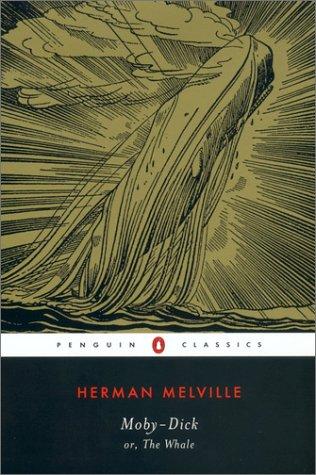
Redburn matters because it is the bridge between the young Melville of the South Seas and the Melville of Moby-Dick. Readers who know Melville only from the great white whale will find here the same gifts in a more approachable form: the close observation of work, the sympathy for the outcast, the anger at injustice, and the prose that can move in a single paragraph from a joke to a vision of human suffering. The Liverpool passages, in particular, stand beside anything in Dickens as a portrait of industrial poverty, and they show a Melville who cared as much about the world ashore as about the sea. The novel also matters as a piece of social history. The emigrant ships, the docks, the lodging houses, and the charity of strangers are all drawn from life, and historians of migration still quote Redburn as evidence of what the crossing was really like for the poor.
For modern readers, the book has another appeal: it is short, fast, and funny in places where you would not expect a classic to be funny. Redburn's blunders, his seasickness, his attempts to look like a seasoned sailor, and his encounters with the rougher members of the crew give the novel a warmth that Melville's later, darker books sometimes lack. If you have been put off Melville by the reputation of Moby-Dick, Redburn is the friendlier door into his work, and it leaves you with a clear sense of why the sea meant so much to him. It is the work of a young writer who had seen the world from the bottom of the ladder and was determined to tell the truth about it.
About Herman Melville
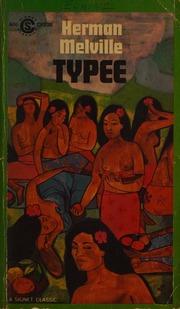
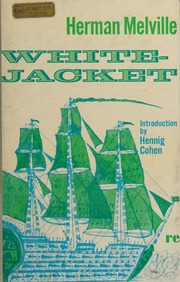
Herman Melville was born in New York in 1819 and went to sea at nineteen, first on the merchant voyage that became Redburn, then on a whaling ship, an experience that led to his first books, Typee in 1846 and Omoo in 1847. Those books made him famous, but he grew restless with mere adventure, and the books that followed, Mardi, Redburn, and White-Jacket, show him reaching for something deeper. In 1851 he published Moby-Dick, the novel that would make his name immortal, though it sold poorly in his lifetime and he died in 1891 largely forgotten, working as a customs inspector in New York. The twentieth century rediscovered him, and today he stands as one of the greatest of all American writers. Redburn, written in the middle of that journey, is the book where the sailor becomes the novelist.
Download Redburn Free in PDF and EPUB
Redburn is in the public domain, so you can download it free and legally on Noveliopdf in both PDF and EPUB. The PDF is ideal for reading on a computer or tablet and for printing, while the EPUB is made for e-readers and phone apps, reflowing the text to fit any screen. There is no account to create and nothing to pay, and the download starts at once while the website stays open. If you enjoy Redburn, you will find more of Melville's sea stories on Noveliopdf, including Moby-Dick, Typee, and White-Jacket, all free in the same two formats. Download your free Redburn pdf or EPUB today and follow a young man to Liverpool and back, on the voyage that made Herman Melville a writer.